
Ultimate Guide to Rocker Switches
Everything you need to know about rocker switches - from basic functionality to advanced applications in modern electrical systems.
What Are Rocker Switches?
A rocker switch is an electrical switch that rocks back and forth when pressed, rather than requiring a sliding or rotary motion. These switches feature a flat, rectangular actuator that pivots on a central fulcrum point, making them easy to operate with a simple press.
Rocker switches are widely used in household appliances, automotive applications, industrial equipment, and electronic devices due to their reliability, ease of use, and versatile design options.
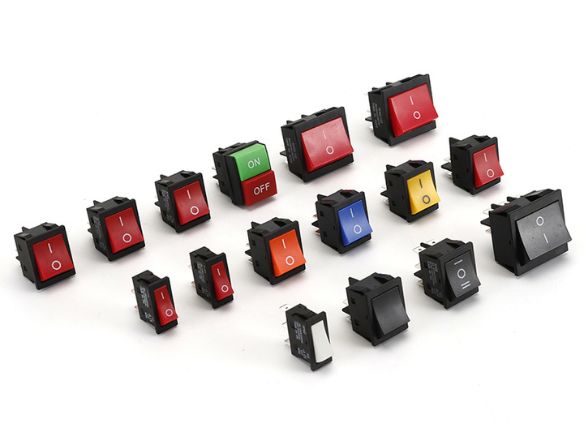
How Rocker Switches Work
Basic Operating Principle
Rocker switches operate on a simple mechanical principle. When one side of the rocker is pressed down, the opposite side rises, creating a seesaw motion that actuates internal contacts to complete or break an electrical circuit.
Press actuator
Rocker pivots
Contacts engage
Types of Rocker Switches
By Pole Configuration
-
SPST (Single Pole Single Throw): Simple on/off operation
-
SPDT (Single Pole Double Throw): Three-position switching
-
DPST (Double Pole Single Throw): Controls two circuits simultaneously
-
DPDT (Double Pole Double Throw): Maximum versatility for complex circuits
By Action Type
-
Momentary: Returns to original position when released
-
Latching: Maintains position until pressed again
Special Features
Illuminated Switches
Built-in LED indicators for status visibility in low-light conditions
Waterproof Variants
IP-rated protection for outdoor and marine applications
High-Current Models
Heavy-duty switches for industrial and automotive use
Key Specifications and Ratings
| Specification | Typical Range | Considerations |
|---|---|---|
| Voltage Rating | 12V - 250V AC/DC | Must exceed circuit voltage |
| Current Rating | 1A - 30A | Consider inrush current |
| Operating Temperature | -20°C to +85°C | Environment-specific requirements |
| Mechanical Life | 10,000 - 100,000 cycles | Application frequency dependent |
| IP Rating | IP40 - IP67 | Dust and water protection |
Common Applications
Home Appliances
Coffee makers, blenders, power tools, and household electronics
Automotive
Dashboard controls, window switches, and auxiliary lighting systems
Industrial
Control panels, machinery operation, and safety systems
Marine & RV
Navigation equipment, bilge pumps, and electrical distribution panels
Installation and Wiring Guide
Safety Warning
Always turn off power at the circuit breaker before installing or wiring electrical switches. If you're not comfortable working with electrical systems, consult a qualified electrician.
Basic Wiring Steps
- 1 Turn off power and verify with a voltage tester
- 2 Remove old switch and identify wire functions
- 3 Connect wires to appropriate terminals
- 4 Secure switch in panel or mounting location
- 5 Test operation before final assembly
Terminal Identification
- Line (L) or Hot: Incoming power wire
- Load: Outgoing power to device
- Common (C): Shared connection point
- Ground (⏚): Safety ground connection
- LED +/-: Illumination power (if applicable)
Troubleshooting Common Issues
Switch Not Responding
Possible Causes:
- • Loose wire connections
- • Burned out contacts
- • Power supply issues
- • Switch mechanism failure
Solutions:
- • Check and tighten all connections
- • Test continuity with multimeter
- • Verify incoming power supply
- • Replace if mechanically damaged
Intermittent Operation
Possible Causes:
- • Worn contact surfaces
- • Vibration-induced looseness
- • Environmental contamination
- • Overheating due to overload
Solutions:
- • Clean contacts with appropriate cleaner
- • Secure mounting and connections
- • Protect from moisture and dust
- • Verify current rating adequacy
LED Illumination Problems
Possible Causes:
- • LED power supply failure
- • Incorrect voltage applied
- • Reversed polarity connection
- • LED component burnout
Solutions:
- • Check LED power connections
- • Verify voltage matches LED rating
- • Correct polarity if reversed
- • Replace switch if LED is integral
Maintenance and Care
Regular Maintenance
- Clean switch surfaces with dry cloth monthly
- Inspect for loose connections annually
- Test operation during routine equipment checks
- Keep spare switches for critical applications
Signs of Replacement Needed
- Actuator feels loose or wobbly
- Visible burning or melting around terminals
- Inconsistent or failed switching action
- Cracked or damaged housing
Choosing the Right Rocker Switch
Selection Checklist
Electrical Requirements
Environmental Factors
Additional Considerations
Certifications
UL, VDE, CE, CSA compliance for your market
Mounting Style
Panel mount, PCB mount, or snap-in installation
Actuator Options
Size, color, marking, and illumination requirements
Quality and Certification Standards
UL Listed
North American safety standards compliance for electrical components
CE Marking
European conformity marking for product safety and quality
VDE Certified
German electrical safety testing and certification
Why Certifications Matter
- Ensures product safety and reliability
- Required for many commercial applications
- Demonstrates compliance with international standards
- Reduces liability and insurance concerns
- Enables global market access
- Provides quality assurance to customers
Need Expert Guidance on Rocker Switches?
Goboll Electronics has been manufacturing high-quality electrical switches since 1989. Our experienced team can help you select the perfect rocker switch for your application.
Contact Our Experts
Our Certifications
✓ UL, VDE, TUV, CE, CB certified
✓ ISO9001:2015 quality management
✓ Over 100 national patents
✓ CNAS accredited laboratory
Conclusion
Rocker switches are versatile, reliable electrical components that play crucial roles in countless applications. Understanding their operation, specifications, and proper installation ensures safe and effective use in your projects.
When selecting rocker switches, always prioritize quality, appropriate ratings, and proper certifications. Consider environmental factors, expected usage patterns, and maintenance requirements to make the best choice for your specific application.
Whether you're designing industrial control systems, automotive applications, or consumer electronics, the right rocker switch will provide years of reliable service when properly specified and installed.