
Ultimate Guide to Micro Switches
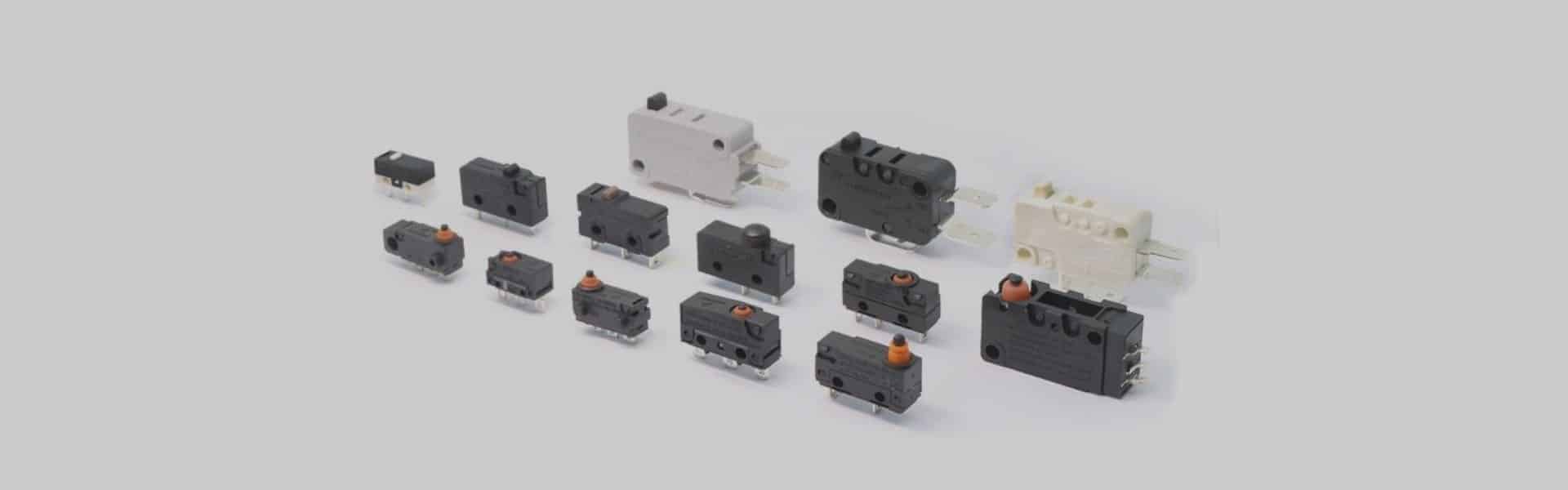
Micro switches are essential components in countless electronic devices. This comprehensive guide covers everything you need to know about micro switches, from basic principles to advanced applications.
What Are Micro Switches?
Micro switches, also known as miniature snap-action switches, are electrical switches that are actuated by very little physical force. They were invented by Peter McGall in 1932 and have since become indispensable in modern electronics.
These switches operate on the principle of snap action, where a small movement of the actuator results in a rapid switching action. This characteristic makes them highly reliable and precise for various applications.
Key Characteristics
- Snap-action mechanism for precise switching
- Low operating force required
- High repeatability and reliability
- Compact size for space-constrained applications
How Micro Switches Work
The operation of a micro switch is based on a spring-loaded lever mechanism. When force is applied to the actuator, it moves a lever that is connected to a spring system. Once the lever reaches a specific point, the spring snaps the contacts from one position to another.
Operating Sequence
- Force is applied to the actuator button or lever
- The actuator moves the operating lever
- At the snap point, the spring mechanism activates
- Contacts switch rapidly from one position to another
- When force is removed, the switch returns to its original state
Types of Micro Switches
Micro switches come in various configurations to suit different applications. Understanding these types helps in selecting the right switch for your specific needs.
Basic Micro Switches
Standard configuration with simple actuator button for general-purpose applications.
Lever Actuated
Features extended levers for increased actuating range and mechanical advantage.
Roller Actuated
Equipped with rollers for smooth operation in conveyor and positioning systems.
| Type | Actuator | Best Applications | Operating Force |
|---|---|---|---|
| Pin Plunger | Straight pin | Direct contact sensing | Low (1-5N) |
| Leaf Spring | Flexible lever | Position detection | Very Low (0.5-2N) |
| Roller Lever | Lever with roller | Moving object detection | Medium (2-8N) |
Applications and Industries
Micro switches are ubiquitous in modern technology, found in everything from household appliances to industrial machinery. Their reliability and precision make them ideal for critical switching applications.
Home Appliances
Microwaves, dishwashers, washing machines
Automotive
Door switches, brake systems, seat controls
Industrial
Conveyor systems, safety interlocks
Electronics
Computer peripherals, control panels
Industry Spotlight: Safety Applications
Micro switches play a crucial role in safety systems, providing reliable detection for emergency stops, door interlocks, and protective equipment positioning. Their precise operation ensures that safety mechanisms activate exactly when needed.
Selection Criteria
Choosing the right micro switch requires careful consideration of several factors. The wrong selection can lead to premature failure, unreliable operation, or safety issues.
Electrical Specifications
Voltage Rating
Maximum voltage the switch can safely handle
Current Rating
Maximum current capacity for reliable operation
Contact Configuration
SPDT, SPST, or specialized contact arrangements
Mechanical Properties
Operating Force
Force required to activate the switch
Travel Distance
Actuator movement needed for operation
Mechanical Life
Number of operations before mechanical failure
Environmental Considerations
Temperature Range
Operating temperature limits
IP Rating
Protection against dust and moisture
EMC Compliance
Electromagnetic compatibility requirements
Installation and Wiring
Proper installation is crucial for optimal micro switch performance and longevity. Follow these guidelines to ensure reliable operation.
Wiring Guidelines
Identify Terminal Configuration
Common (C), Normally Open (NO), and Normally Closed (NC) terminals
Use Appropriate Wire Gauge
Select wire size based on current rating and voltage drop requirements
Secure Connections
Ensure tight, clean connections to prevent arcing and heat buildup
Consider Load Type
Inductive loads may require arc suppression components
Safety Warning
Always disconnect power before wiring micro switches. Verify proper operation before putting the system into service. Follow local electrical codes and safety regulations.
Troubleshooting Common Issues
Understanding common problems and their solutions can help maintain reliable micro switch operation and extend service life.
Switch Not Actuating
Possible Causes:
- Insufficient actuating force
- Mechanical obstruction or binding
- Worn actuator mechanism
Solutions:
- Verify force requirements and application method
- Check for debris or mechanical interference
- Replace switch if mechanically worn
Intermittent Contact
Possible Causes:
- Contact contamination or oxidation
- Loose terminal connections
- Vibration affecting contact pressure
Solutions:
- Clean contacts or replace switch
- Tighten all electrical connections
- Add vibration dampening or use sealed switches
Premature Failure
Possible Causes:
- Exceeding electrical or mechanical ratings
- Environmental factors (temperature, humidity)
- Improper mounting or actuation alignment
Solutions:
- Verify application is within switch specifications
- Use environmentally rated switches for harsh conditions
- Ensure proper mechanical alignment and mounting
Goboll's Micro Switch Solutions
At Goboll Electronics, we manufacture high-quality micro switches that meet international standards and exceed customer expectations. Our comprehensive range covers applications from basic switching to demanding industrial environments.
Quality Certifications
Why Choose Goboll?
35+ Years Experience: Founded in 1989, we bring decades of expertise to every product.
International Standards: All products meet or exceed global quality and safety requirements.
Advanced Testing: CNAS accredited laboratory ensures consistent quality.
Global Reach: Trusted by customers in over 20 countries worldwide.
Innovation Focus: 100+ patents and continuous R&D investment.
Ready to Find Your Perfect Micro Switch Solution?
Our technical team is ready to help you select the ideal micro switch for your application. With our extensive product range and custom capabilities, we can meet your exact requirements.
Building 13, Intelligent Industrial Zone No.2777 Ningkang East Road, Yueqing City, Wenzhou City, Zhejiang Province, China
Conclusion
Micro switches are fundamental components that enable precise control and reliable operation across countless applications. Understanding their principles, types, and selection criteria is essential for engineers, designers, and technicians working with electronic systems.
From simple household appliances to complex industrial machinery, the right micro switch can make the difference between reliable operation and costly failures. By considering electrical specifications, mechanical properties, and environmental requirements, you can select switches that will provide years of dependable service.
As technology continues to evolve, micro switches remain as relevant as ever, adapting to new applications while maintaining their core advantages of precision, reliability, and compact design. Whether you're designing a new product or maintaining existing equipment, understanding micro switches is key to achieving optimal performance.