
How to Wire a Three Prong Toggle Switch
A comprehensive guide to properly wiring three-terminal toggle switches for various applications
Safety Warning: Always turn off power at the circuit breaker before working with electrical wiring. If you're not comfortable with electrical work, consult a qualified electrician.
Understanding Three Prong Toggle Switches
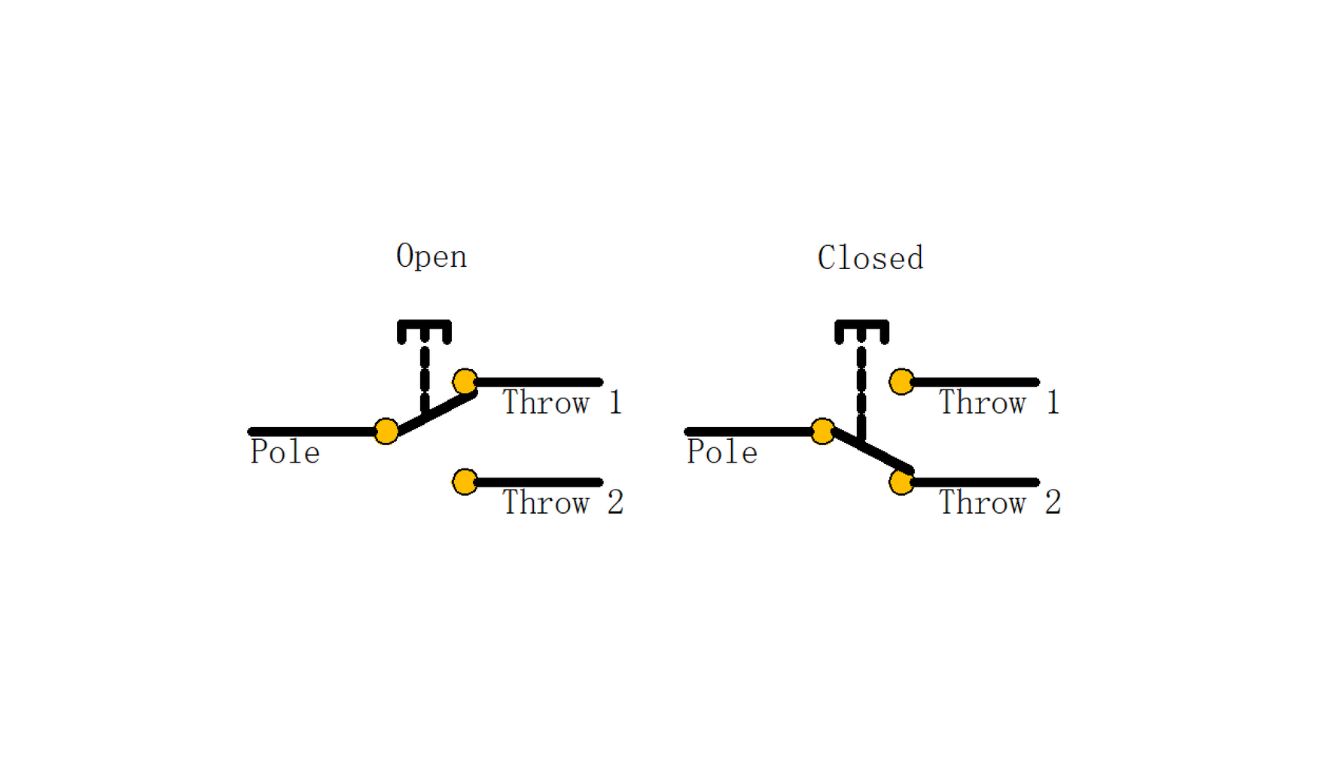
A three prong toggle switch, also known as a Single Pole Double Throw (SPDT) switch, has three terminals that allow you to control two separate circuits or switch between two different outputs from a single input.
The three terminals are typically labeled as:
- Common (COM): The input terminal
- Normally Open (NO): Connected when switch is in one position
- Normally Closed (NC): Connected when switch is in the opposite position
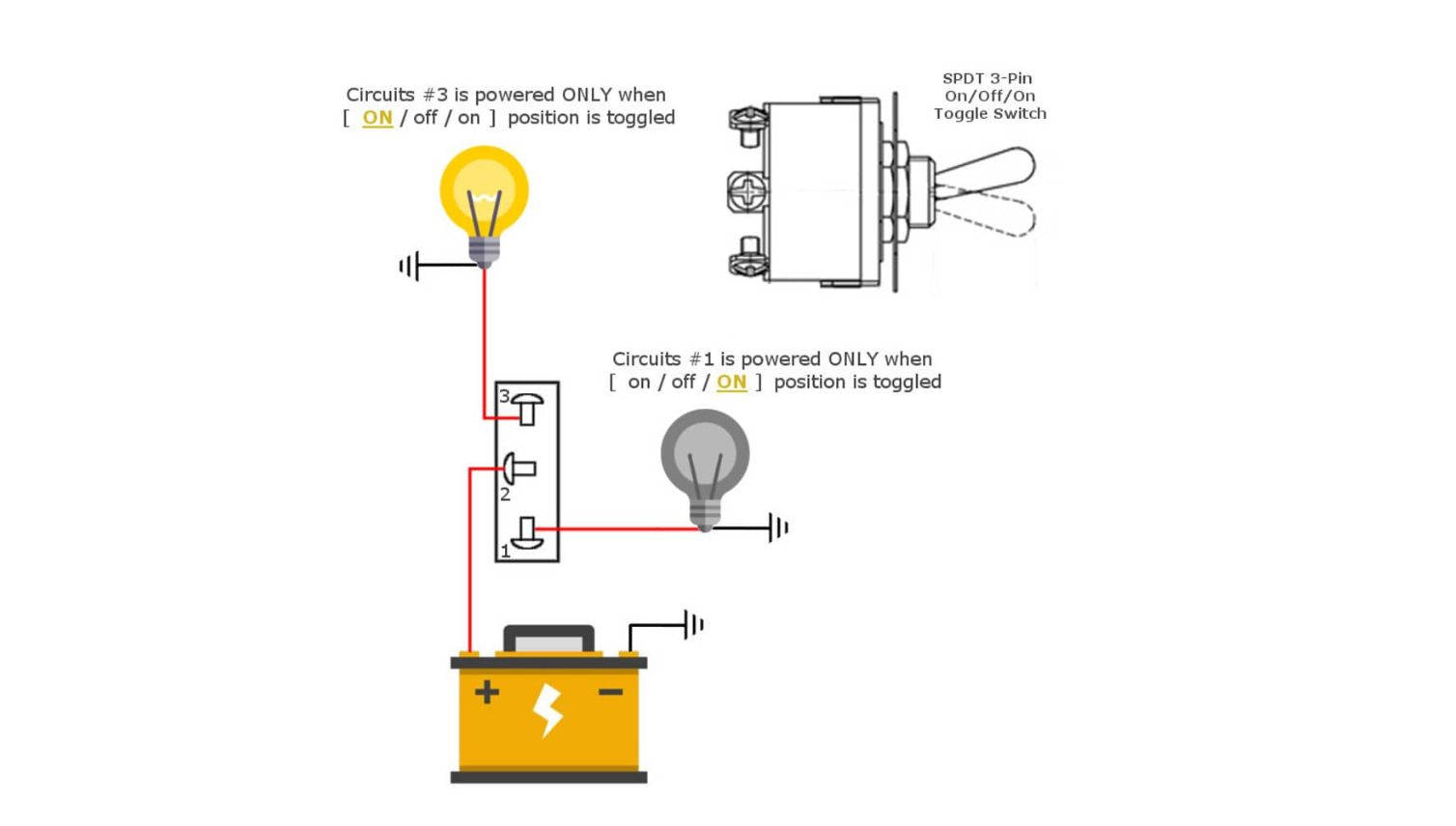
Three prong toggle switch terminal layout
Required Tools and Materials
Tools Needed:
- Wire strippers
- Screwdriver set
- Multimeter or voltage tester
- Wire nuts or terminal connectors
- Electrical tape
Materials:
- Three prong toggle switch
- Appropriate gauge wire
- Electrical box (if mounting)
- Wire nuts
- Ground wire (if required)
Step-by-Step Wiring Instructions
Step 1: Turn Off Power
Locate the appropriate circuit breaker and turn off power to the area where you'll be working. Use a voltage tester to confirm power is off.
Step 2: Identify the Terminals
Examine your toggle switch to identify the three terminals. They may be marked as COM, NO, and NC, or numbered 1, 2, and 3.
Step 3: Prepare the Wires
Strip approximately 1/2 inch of insulation from each wire end. Twist the exposed copper strands together to prevent fraying.
Step 4: Connect the Common Terminal
Connect your power source (hot wire) to the common terminal. This is typically the center terminal or the one marked "COM".
Step 5: Connect Output Wires
Connect your two output wires to the NO and NC terminals. These will go to the devices or circuits you want to control.
Step 6: Secure Connections
Tighten all terminal screws securely. Ensure no bare wire is exposed outside the terminals.
Common Wiring Applications
Two-Way Light Control

Use the toggle switch to control two different light fixtures or switch between two lighting zones.
Motor Direction Control
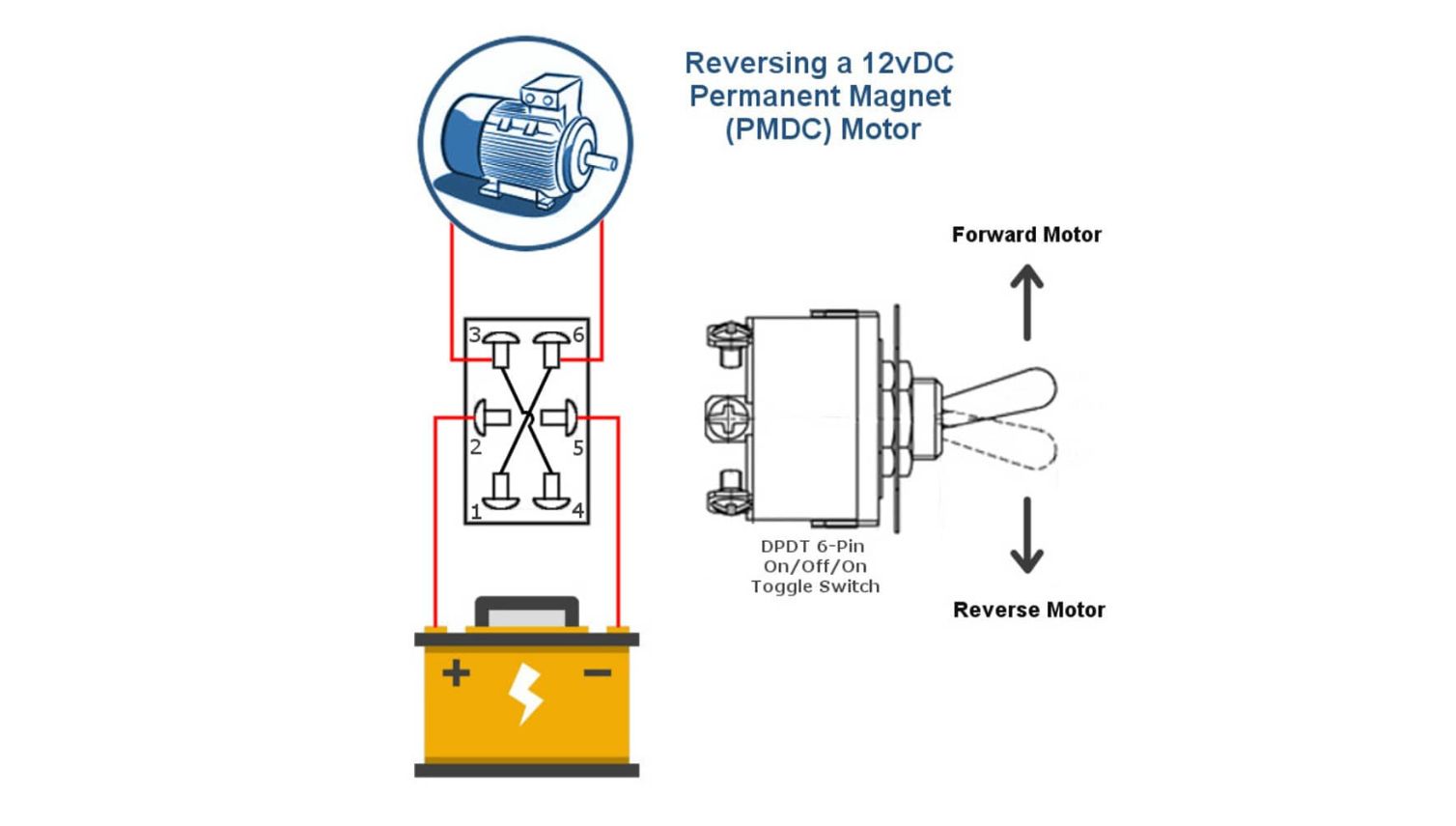
Control motor rotation direction by switching between forward and reverse circuits.
Circuit Selection
Switch between two different power sources or backup systems.
Fan Speed Control
Toggle between different fan speed settings or on/off control.
Troubleshooting Common Issues
Switch Not Working
- • Check all wire connections are secure
- • Verify power is reaching the common terminal
- • Test switch continuity with a multimeter
- • Ensure switch rating matches your application
Intermittent Operation
- • Check for loose terminal connections
- • Inspect wires for damage or corrosion
- • Verify switch is not exceeding current rating
- • Clean switch contacts if accessible
Sparking or Arcing
- • Immediately turn off power and replace switch
- • Check if load exceeds switch current rating
- • Consider using a switch with higher current rating
- • Inspect for damaged insulation
Safety Guidelines and Best Practices
Important Safety Notes:
- • Always verify power is off before beginning work
- • Use switches rated for your specific voltage and current requirements
- • Follow local electrical codes and regulations
- • Consider hiring a licensed electrician for complex installations
- • Test all connections before restoring power
Wire Selection Tips:
- • Use appropriate wire gauge for current load
- • Choose wire rated for the operating temperature
- • Use stranded wire for better flexibility
- • Consider wire color coding for easy identification
Installation Best Practices:
- • Mount switch in appropriate electrical box
- • Leave adequate wire length for connections
- • Use proper wire nuts or terminal blocks
- • Label circuits for future reference
Goboll Quality Toggle Switches
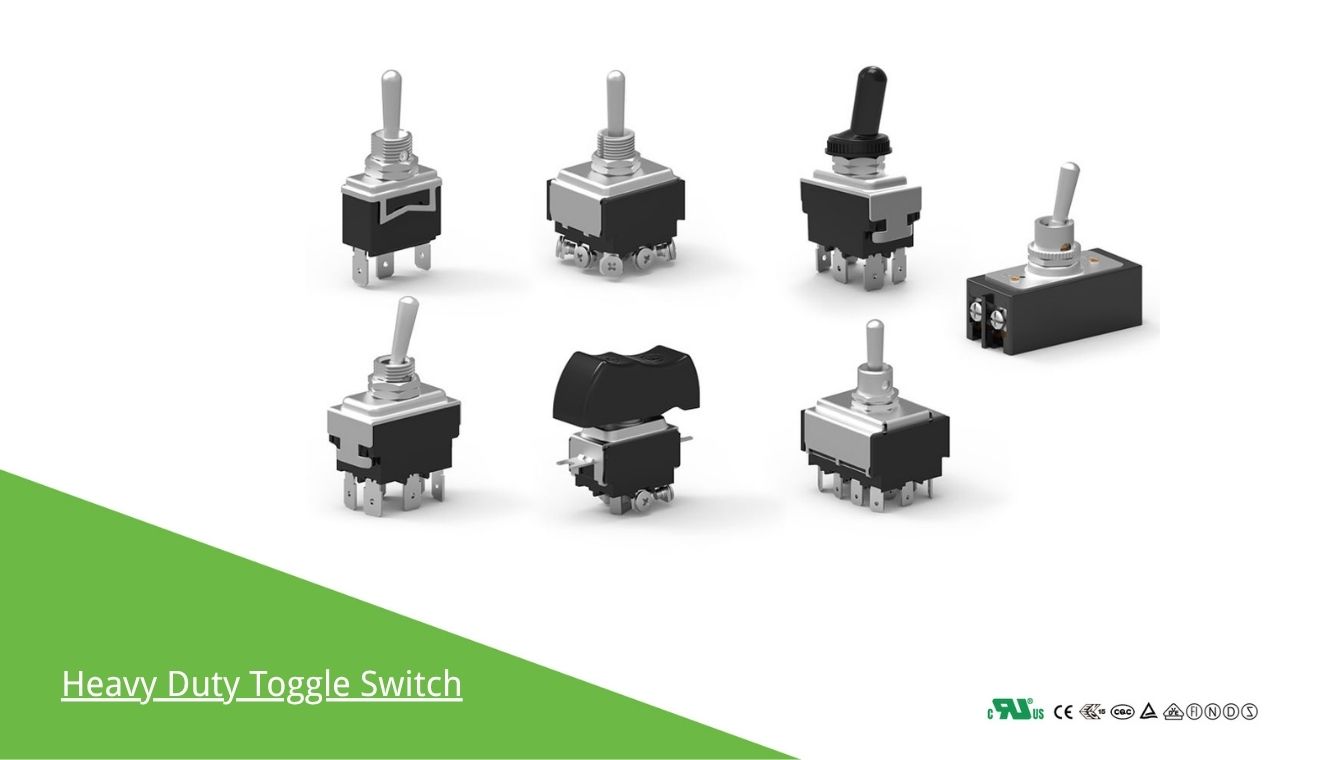
At Goboll Electronics, we manufacture high-quality three prong toggle switches that meet international standards including UL, VDE, TUV, and CE certifications.
Our switches are designed for reliability and longevity, with over 100,000 switching cycles and robust construction suitable for various applications.
Conclusion
Properly wiring a three prong toggle switch requires attention to detail and adherence to safety protocols. By following these guidelines and using quality components, you can create reliable switching circuits for various applications.
Remember that electrical work can be dangerous, and local codes may require professional installation for certain applications. When in doubt, consult with a qualified electrician to ensure safe and compliant installation.
For high-quality toggle switches and technical support, contact Goboll Electronics - your trusted partner in electrical switching solutions since 1989.